

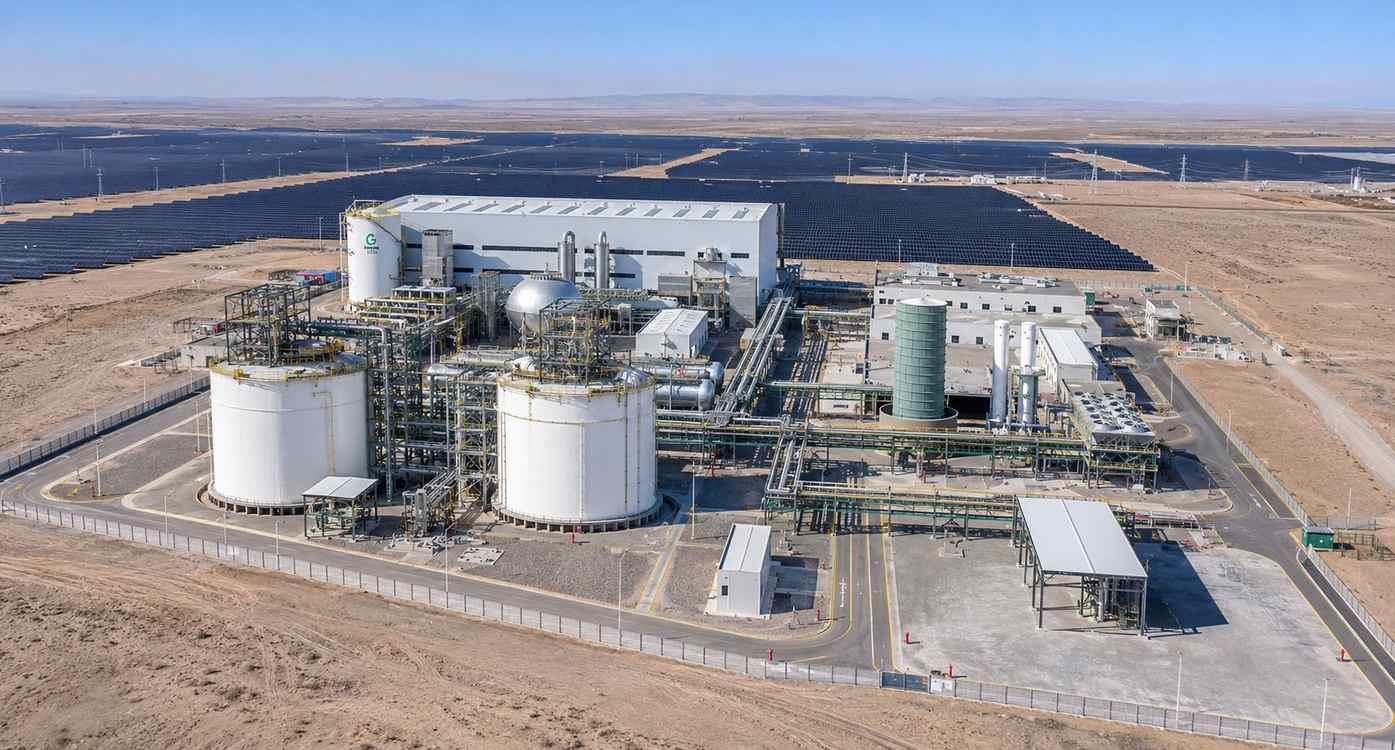
The world’s largest demonstration plant for a new kind of renewable energy storage is up and running in the west of the China. Called liquid-air energy storage (LAES) the plant uses renewable electricity to compress air to extreme densities until it turns to liquid. It can then be rapidly released to power a turbine and discharge that green energy back into the grid.
This needs a huge amount of energy surplus to provide enough in the summer and using ammonia for heat/energy is in direct contrast to using it using it for the market isn’t it? Except when you’d only use the expansion of liquid to gaseous and then use gaseous ammonia in a nearby plant. My guess would be anything green H2 will be too high demand and expensive to use as a fuel
Yes, but you need huge summer surplus solar to provide baseload in winter too. Ammonia in great lakes/mid west region market price is very profitable from solar production in the area.
It’s more about making unlimited ammonia and still having a use for it for someone in the world in some season.
Solar based baseload pricing can work at 2c/kwh daytime summer, and 15-20c/kwh daytime winter. Where legacy plants are kept around for 2 months of the year. But Ammonia is competitive to make/store for the winter and deliver power at around that cost, especially through home/V2H fuel cells, but also at higher backup power pricing. You need ammonia winter reserve for spring sales anyway.